How Independent Artists in India Can Plan a Successful Music Release
Releasing a song is not just about uploading an audio file and posting a link on Instagram. For independent artists, a strong release depends on preparation, clear timelines and consistent promotion before and after launch day.
This guide explains how Indian independent artists can build a practical music release plan without overcomplicating the process.
Start With a Clear Release Goal
Before choosing a release date, decide what the song is meant to achieve.
Your goal may be to:
- introduce a new artist identity
- build an audience in a specific city or language market
- increase YouTube views or streaming activity
- support an upcoming EP or album
- attract collaborators, labels or live opportunities
- test a new sound before investing in a larger campaign
A clear goal helps you choose the right platforms, content and promotional budget.
Finalise the Song Before Promotion Begins
Promotion becomes difficult when the master, artwork or release details are still changing. Complete the core assets first.
Your release package should normally include:
- final mixed and mastered audio
- confirmed song title and artist name spelling
- songwriter, producer and featured-artist credits
- release artwork in the required format
- lyrics and language details
- ownership and permission checks for beats, samples and collaborations
- a planned release date
If you have used a leased beat, sample or third-party vocal, review the relevant licence or agreement before distribution. For legal questions, seek professional advice where necessary.
Choose a Realistic Release Timeline
A rushed release often leaves no time for corrections, content creation or promotion. A simple four-week plan can work well for many independent singles.
Four Weeks Before Release
- complete the master and artwork
- confirm credits and metadata
- submit the release for distribution
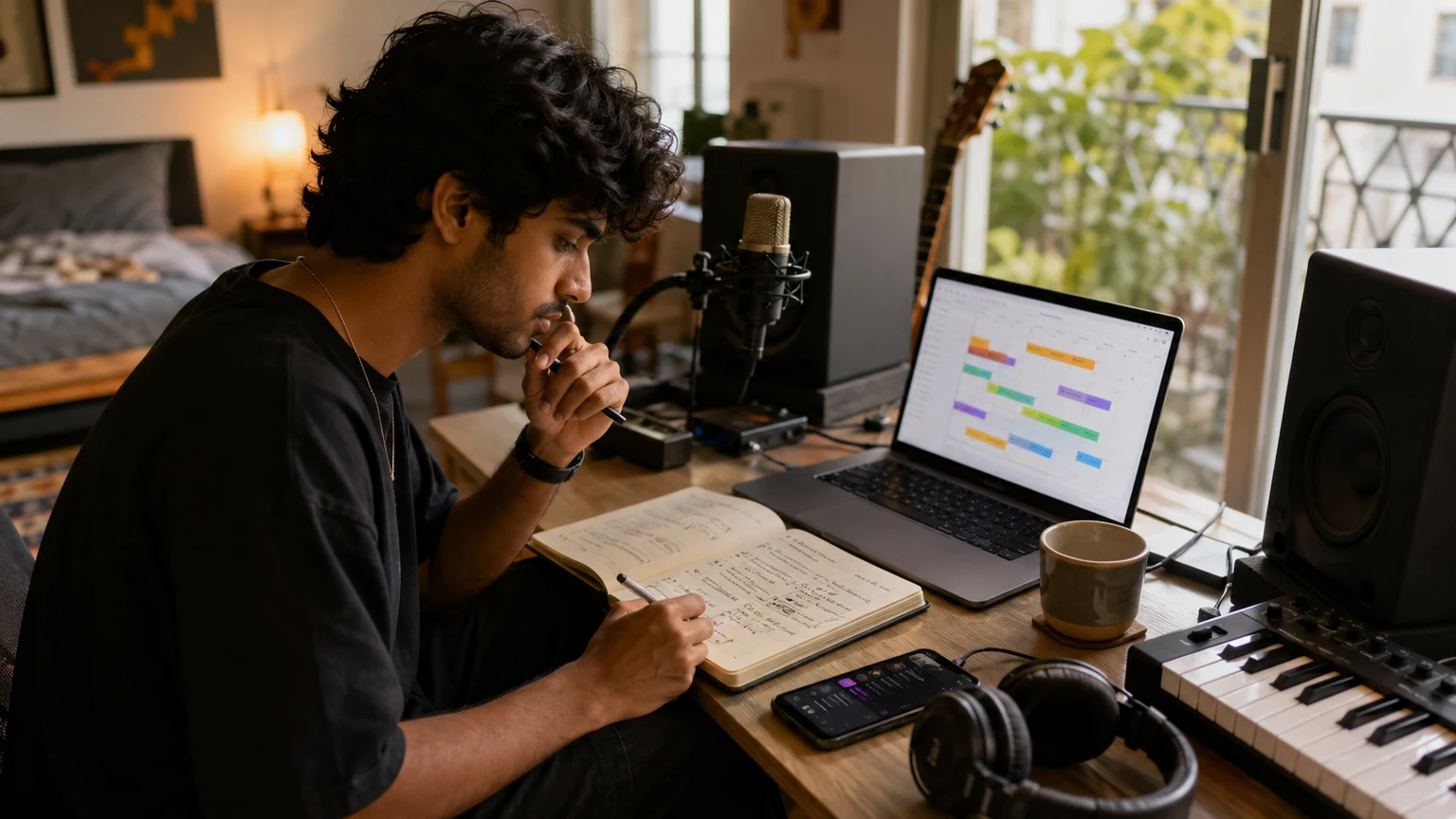
- prepare a content calendar
- shoot short-form video content
Three Weeks Before Release
- announce that new music is coming
- begin teaser content
- prepare YouTube assets
- contact relevant creators, micro-pages or media outlets
Two Weeks Before Release
- reveal the title, artwork or release date
- share behind-the-scenes clips
- prepare ad creatives and targeting
- organise influencer or micro-page outreach
Release Week
- publish the official link across platforms
- post multiple content formats instead of repeating one poster
- respond to comments and direct messages
- monitor technical issues and campaign performance
After Release
- continue promoting the strongest clip or hook
- publish lyric, performance or story-based content
- review which audience segments responded best
- use the results to improve the next release
Prepare More Than One Piece of Content
One announcement post is rarely enough. Listeners usually need to see a song several times before they decide to play, save or share it.
Create a small content bank before release day. Useful formats include:
- hook-based performance clips
- studio or recording footage
- lyric-focused videos
- acoustic versions
- storytelling videos about the song
- producer breakdowns
- reaction-style clips
- motion posters
- vertical edits for Instagram Reels and YouTube Shorts
The strongest content usually makes the song understandable even before the viewer clicks the streaming link.
Match Promotion to the Song
Not every song needs the same campaign.
A Punjabi party track may perform well with energetic short-form edits, dance creators and regional micro-pages. A Hindi acoustic song may benefit more from lyric-led storytelling, singer-focused performance clips and emotion-based audience targeting.
Choose promotion channels based on the music, audience and goal rather than copying another artist's campaign.
Use Paid Ads as a Testing Tool
YouTube, Instagram and Meta ads can help artists reach new listeners, but results vary by creative quality, targeting, budget, song strength and campaign setup.
Start by testing multiple creatives. Compare which video earns stronger watch time, engagement or click behaviour. Then move more budget toward the better-performing version.
Paid campaigns should be treated as measurable promotion, not a guarantee of streams, followers or subscribers.
Keep Your Artist Branding Consistent
A release becomes more memorable when the artwork, colours, photos, video style and captions feel connected.
Consistency does not mean every post must look identical. It means listeners should recognise that the visuals belong to the same artist and campaign.
Before release, decide:
- the main visual mood
- two or three campaign colours
- the type of artist photos to use
- whether the tone is emotional, energetic, premium, raw or playful
- how the song title and artist identity will appear across official assets
Track Useful Results
Do not judge a release only by its first-day numbers. Review the campaign over several days and weeks.
Useful indicators include:
- video retention and watch time
- saves and shares
- comments from relevant listeners
- profile visits
- follower growth
- repeat content performance
- top-performing cities, languages or age groups
- streaming or video growth after specific promotional actions
These results help you make better decisions for the next song.
Common Release Planning Mistakes
Independent artists often weaken a good song by:
- selecting a release date before assets are ready
- submitting distribution too late
- relying on one poster or teaser
- changing artist-name spelling across platforms
- using unlicensed beats or samples
- starting promotion only after release day
- copying trends that do not suit the song
- expecting guaranteed results from ads or playlist pitching
- stopping all promotion after the first weekend
Avoiding these mistakes can improve both the campaign and the listener experience.
Build a Repeatable Release System
The goal is not to create one perfect launch. It is to build a system you can improve with every song.
After each release, document what worked, what failed, which content performed best and which promotional channel brought the most relevant audience. Over time, this creates a practical growth strategy based on your own music and listeners.
Final Thoughts
A successful independent release starts with preparation. Complete the music and visual assets early, choose a realistic timeline, create multiple content formats and promote the song consistently after launch.
Artists who treat every release as both a creative project and a learning opportunity are better positioned to grow over time.
Ready to prepare your next release? Submit your release to We Digital Media and build a stronger launch plan around your music.
Frequently Asked Questions
How early should an independent artist submit a song for distribution?
Artists should leave enough time for metadata checks, platform delivery and any corrections. The ideal lead time can vary by distributor and campaign, so review the current submission guidance before selecting a final date.
Should promotion start before or after release day?
Promotion should usually begin before release and continue after launch. Pre-release content creates awareness, while post-release content helps the song reach listeners who missed the first announcement.
Do independent artists need a large budget to promote music?
No. A focused campaign with strong content, clear targeting and consistent posting can be more useful than spending heavily without a plan.
Are paid ads guaranteed to generate streams or followers?
No. Ad results depend on the song, creative, audience, budget and campaign setup. Paid promotion should be tested and optimised rather than treated as a guarantee.
What should an artist track after release?
Track content performance, audience response, watch time, saves, shares, profile visits, listener locations and the results of specific promotional actions.