Category: Uncategorized

  • India’s Copyright Office Website Moves to IP India: What Musicians Must Do Before 31 July 2026

    India’s Copyright Office Website Moves to IP India: What Musicians Must Do Before 31 July 2026

    *Updated: 25 July 2026*

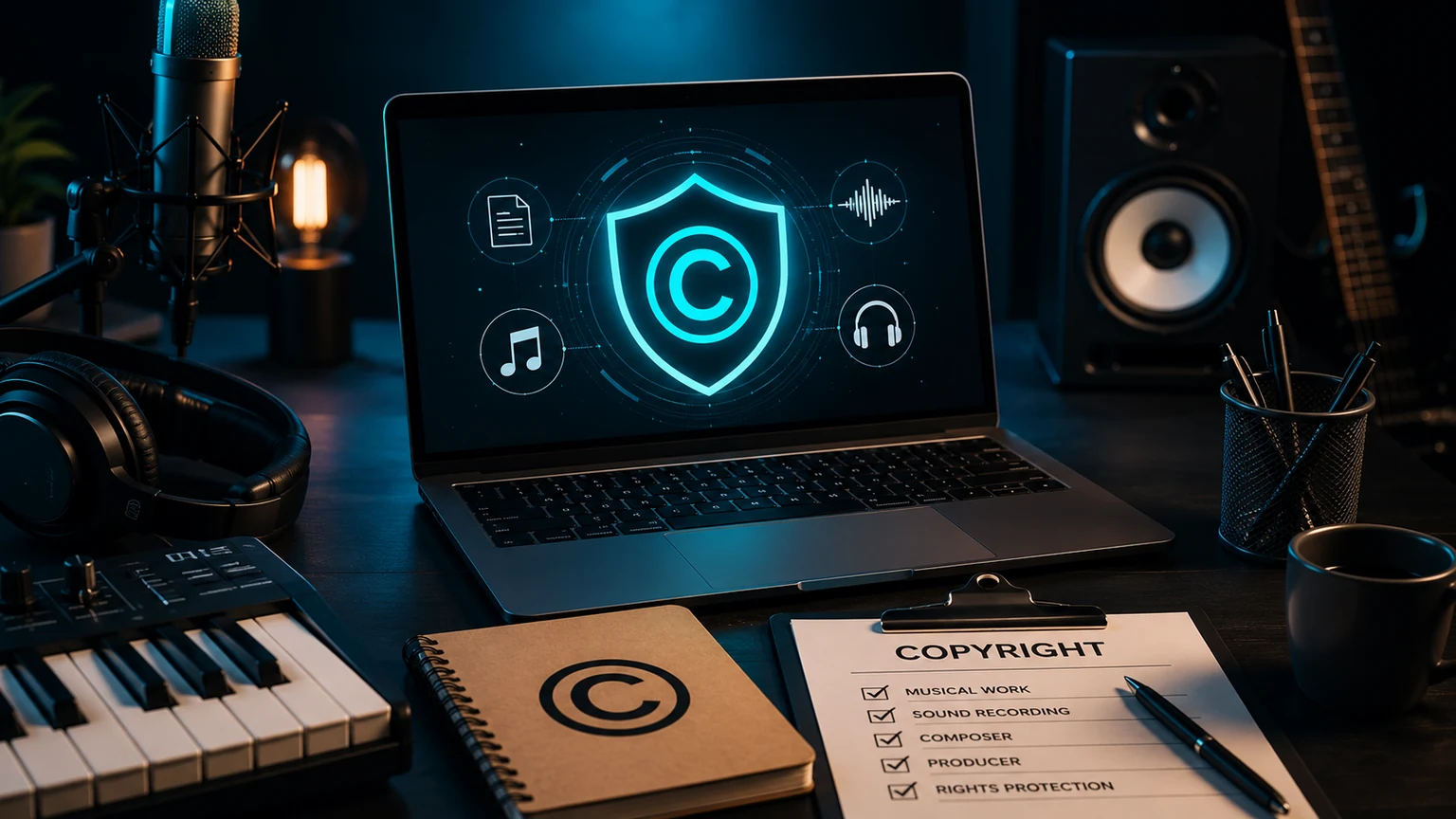
    India’s Copyright Office has announced an important portal change that affects creators, rights holders and businesses using its online services. The existing Copyright Office website will remain operational only until **31 July 2026**, after which users will need to access copyright information and services through the **IP India website**.

    For independent artists, composers, lyricists, music producers and labels, this is mainly an administrative change—but it is still worth preparing for. Copyright applications, status tracking, public searches and official guidance are important parts of music-rights documentation, especially when several people have contributed to the same release.

    This article explains what has changed, what has not changed and what music creators should check before using the new portal.

    What is the latest Copyright Office update?

    The official Copyright Office notice says that its website has been migrated to the new IP India website. The old website will continue operating until **31 July 2026** and will then be discontinued.

    The new IP India copyright section already provides access to areas such as:

    • Copyright registration through Form XIV
    • Changes in registered particulars through Form XV
    • Application-status tracking
    • Public search and e-register resources
    • Copyright forms, fees, checklists and filing guidance
    • Notices, hearings and copyright journals

    This means artists and music businesses should start using and bookmarking the IP India portal rather than relying on old Copyright Office links.

    Is this a new copyright or royalty law?

    No. The website migration itself is **not a new royalty rule**, a new ownership law or a change in how streaming platforms calculate music earnings.

    It is a government portal transition. The purpose is to move copyright-related information and online services to the broader IP India website.

    Artists should avoid treating the announcement as proof that royalty rates, publishing splits or ownership rules have changed. Those are separate legal and contractual matters.

    Why this matters for independent musicians

    Many independent artists focus on distribution and promotion but leave rights documentation until a dispute appears. A portal change can create confusion when old bookmarks stop working, especially for creators who are already tracking an application or preparing a registration.

    The update is relevant if you are:

    • Registering an original musical composition
    • Registering a sound recording
    • Checking the status of an existing copyright application
    • Updating details in a registration
    • Searching official copyright records
    • Reviewing government forms, fees or filing instructions
    • Organising ownership documents before releasing a collaboration

    Copyright registration is not the same as music distribution, Content ID registration, publishing administration or membership of a copyright society. Each process serves a different purpose, so artists should keep their records organised across all relevant systems.

    Musical work and sound recording are separate categories

    One practical point for music creators is that a song can involve different protected elements. The IP India portal lists **musical works** and **sound recordings** as separate registration categories.

    In simple terms:

    | Category | Common music example | |—|—| | Musical work | The underlying composition or music written for a song | | Literary work | Lyrics written for the song | | Sound recording | The recorded master released on streaming platforms |

    The correct filing approach depends on the work, ownership structure and supporting documents. A release involving a composer, lyricist, vocalist, producer and label may therefore require clear agreements showing who created and owns each element.

    This article is educational and should not be treated as legal advice. Creators dealing with disputed ownership, assignments or complex contracts should obtain professional legal guidance.

    Current official filing fees relevant to music creators

    As listed on the IP India official-fees page on 24 July 2026, the application fee shown for registration of a literary, dramatic, musical or artistic work is **₹500 per work**. The listed fee for registration of a sound recording is **₹2,000 per work**.

    Fees and procedures can be updated, so applicants should confirm the latest amount on the official portal immediately before filing.

    How the online copyright filing process works

    The IP India filing guide describes an online process that includes user registration, completion of Form XIV, submission of statements and supporting material, payment through the online gateway and generation of a diary number.

    For music-related applications, the portal currently states that:

    • A sound recording work should be uploaded in MP3 format.
    • Musical and literary works should be uploaded in PDF format below the stated file-size limit.
    • Uploaded documents should not be password-protected.
    • Applicants should save the generated diary number for future tracking.

    Applicants should follow the latest on-screen instructions because portal requirements can change.

    What artists should do before 31 July 2026

    1. Replace old bookmarks

    Save the new IP India copyright section in your browser. Old Copyright Office pages may stop opening after the transition deadline.

    2. Save application details

    If you already have an application in progress, keep a separate record of your diary number, payment receipt, acknowledgement, uploaded documents and correspondence.

    3. Download important records

    Keep local copies of forms, receipts, deficiency notices, hearing notices and registration documents. Do not depend on a browser history or a single email account.

    4. Check your ownership paperwork

    Before filing, confirm the names and roles of the composer, lyricist, vocalist, producer, featured artist and master owner. Make sure contributor names are spelled consistently across agreements, distribution metadata and the application.

    5. Confirm the correct work category

    Do not assume that registering one element automatically documents every right connected to a song. Review whether your application concerns lyrics, composition, the sound recording or another work.

    6. Use only official government pages

    Portal migrations can create opportunities for misleading third-party websites. Verify that you are using the official IP India domain before entering login details, uploading documents or making a payment.

    A practical rights checklist before releasing a song

    A copyright registration can support your documentation, but it should be part of a wider release-management process. Before distributing a collaboration, keep the following information in writing:

    • Legal names and artist names of all contributors
    • Songwriting and composition splits
    • Master-recording ownership
    • Producer fee and royalty terms, where applicable
    • Featured-artist permissions
    • Sample and beat licences
    • Artwork and video permissions
    • Distribution metadata and ISRC details
    • Publishing or copyright-society information, where applicable
    • Contact details for royalty statements and accounting

    Clear paperwork does not guarantee that disagreements will never happen, but it makes ownership, credits and payment responsibilities easier to understand.

    What this update means for music royalties

    The portal migration does not automatically change the royalties an artist earns from streaming, public performance, publishing, sync licensing or neighbouring rights.

    However, good copyright and ownership documentation can help creators provide accurate information to distributors, publishers, labels, collection organisations and business partners. It can also reduce confusion when a song has multiple writers, performers or owners.

    Artists should remember that royalty collection depends on the type of right, the platform or licence involved, the contracts in place and the organisations handling the money. Copyright registration is one part of that wider system.

    Final takeaway

    India’s copyright website transition is a practical update that music creators should act on now. The old Copyright Office website is scheduled to be discontinued after **31 July 2026**, while copyright services and guidance are being consolidated on the IP India portal.

    Independent artists and labels should update their bookmarks, save existing application records and review ownership documents before filing. Most importantly, they should not confuse this website change with a new royalty law or a guaranteed method of earning music income.

    For a smoother release, organise your rights, credits, splits and master ownership before uploading the song to distribution platforms.

    Frequently asked questions

    When will the old Indian Copyright Office website stop working?

    The official notice says the existing website will remain operational up to 31 July 2026 and will be discontinued after that date.

    Where should musicians access copyright services now?

    Musicians should use the copyright section of the official IP India website for filing information, forms, fees, tracking and public resources.

    Does the portal migration change streaming royalty rates?

    No. The website migration is an administrative update and does not itself announce a change to streaming royalty calculations.

    Can an artist register both a composition and a sound recording?

    The portal treats musical works and sound recordings as separate categories. The correct applications depend on the works involved and their ownership. Professional advice may be needed for complex cases.

    Is copyright registration the same as Content ID?

    No. Copyright registration is a government process, while Content ID is a platform-based rights-management system. Music distribution, publishing administration and copyright-society registration are also separate processes.

    Internal-link suggestions

    • How to Plan a Music Release in India
    • Music Copyright Explained for Independent Artists
    • What Is an ISRC and Why Does Your Song Need One?
    • Music Publishing vs Master Rights
    • How YouTube Content ID Works for Musicians

    Recommended We Digital Media CTA

    Prepare Your Release Properly

    Before distributing your next song, make sure your credits, metadata, artwork and ownership information are organised. **Submit Your Release** to We Digital Media for structured music-distribution support. For legal or disputed copyright matters, consult a qualified professional.

    Official sources

    • [Copyright Office public notice](https://copyright.gov.in/default.aspx)
    • [IP India copyright filing process](https://ipindia.gov.in/filing-process-step-by-steps)
    • [IP India e-filing services](https://ipindia.gov.in/e-filing-services)
    • [IP India forms and official fees](https://ipindia.gov.in/forms-official-fees)

  • Saiyaara Royalty Dispute: What Independent Artists Should Learn About Music Contracts in India

    Saiyaara Royalty Dispute: What Independent Artists Should Learn About Music Contracts in India

    The success of a song can be visible everywhere—on streaming platforms, social media, charts and fan videos—while the money behind that success remains difficult for creators to understand.

    That tension returned to the spotlight in July 2026 after composer Tanishk Bagchi publicly raised concerns about his earnings and an alleged royalty amount connected with the *Saiyaara* title track. Yash Raj Films responded that every collaborator had been paid according to the agreed contract and that royalties were shared among the song’s three composers.

    The available public reporting does not establish which side is contractually correct. The agreement, accounting statements, payment records and royalty calculations have not been made public. Some reports also describe the ₹8 lakh figure differently—either as an amount allegedly pending or as royalties received but considered too low.

    That uncertainty is the most useful lesson for independent artists. A song’s popularity cannot, by itself, prove what any one contributor should receive. The answer depends on rights ownership, written splits, contract language, recoupable costs, licensing income, collection systems and accurate metadata.

    This article explains what can be verified, what remains disputed and what Indian artists should check before their next release.

    What Is Verified About the Saiyaara Royalty Dispute?

    Based on multiple reports published between 18 and 20 July 2026, the following points are reasonably established:

    • Tanishk Bagchi published a social media post discussing the financial return from the *Saiyaara* title track.
    • The post was later removed.
    • YRF publicly stated that the track was created by three composers and that collaborators were paid according to their contracts.
    • Public reports do not include the complete contract, split sheet, royalty statement or payment ledger.
    • News reports are not fully consistent about whether the ₹8 lakh figure represented unpaid royalties or royalties that had already been received.

    Because the supporting documents are not public, it would be irresponsible to declare either party right or wrong. The dispute should instead be treated as a real-world example of why creators need clear documentation and transparent royalty reporting.

    A Hit Song Does Not Create One Simple Royalty Payment

    Many emerging artists assume that a certain number of streams should produce a predictable amount of money. In practice, music income moves through several rights, contracts and intermediaries.

    A commercial recording may involve at least three different layers:

    1. The musical composition

    This normally covers the melody and lyrics. Songwriters, composers and music publishers may hold interests in this layer.

    2. The sound recording or master

    This is the recorded performance that listeners hear. A label, producer, artist or another company may own or control the master, depending on the agreement.

    3. Performer-related rights

    Singers and musicians may have separate performer-related interests or payments, depending on the applicable law, agreements and collecting arrangements.

    A contributor may participate in one layer but not another. They may also receive an upfront fee, a royalty share, both, or a fee from which certain production expenses are recovered.

    That is why two people working on the same successful song can receive very different amounts without the difference automatically proving wrongdoing.

    Why the 2026 Calcutta High Court Decision Matters

    A separate music-rights decision delivered by the Calcutta High Court on 8 May 2026 provides important context for creators in India.

    In *Vodafone Idea Limited v. The Indian Performing Right Society Limited*, the Court examined the commercial use of sound recordings through caller tunes and related telecom services. The judgment stated that the 2012 amendments to India’s Copyright Act allow IPRS to claim royalties for underlying musical and literary works when a sound recording is commercially exploited.

    The Court also concluded, in the facts of that case, that an agreement covering sound recordings did not remove the need for permission relating to the underlying musical and literary works represented by IPRS.

    This ruling does **not** decide the *Saiyaara* disagreement. It does, however, reinforce a wider principle: the sound recording and the underlying song can involve separate rights and separate payment responsibilities.

    Artists should not treat this article as legal advice. Copyright ownership and royalty entitlement depend on the facts, dates, contracts and type of use involved. Professional legal verification may be necessary for a specific dispute.

    Seven Contract Checks Every Independent Artist Should Make

    1. Sign a split sheet before the release

    A split sheet should identify every composer, lyricist, producer and other relevant contributor, along with the agreed percentage for the composition.

    Do not wait until the song starts performing well. Memory becomes unreliable, expectations change and verbal agreements are difficult to prove.

    A useful split sheet should include:

    • Legal names and professional names
    • Contact details
    • Contribution role
    • Agreed ownership percentage
    • Performing-rights or collecting-society information, where applicable
    • Signatures and date

    The total composition split should add up correctly. A missing percentage can delay registration and royalty matching.

    2. Separate the creative fee from production expenses

    A creator may receive a fee for composing or producing while also paying musicians, studios, mixing engineers or other production costs.

    The agreement should clearly answer:

    • Is the fee the creator’s compensation, a production budget or both?
    • Which expenses can be deducted?
    • Who approves additional expenses?
    • Are costs recouped before royalties are paid?
    • What proof of expenses must be provided?

    Without this distinction, a creator may believe they earned very little even when the contracting party believes the agreed budget was fully paid.

    3. Define the royalty base

    A contract saying “you will receive royalties” is incomplete unless it explains how those royalties are calculated.

    Check whether the percentage applies to:

    • Gross receipts
    • Net receipts
    • The master owner’s receipts
    • A particular licensing category
    • A specific territory
    • Revenue remaining after defined deductions

    The agreement should also define deductions. Broad phrases such as “all costs” can create confusion unless the costs are listed and limited.

    4. Confirm master ownership and licence scope

    Artists should know who owns the final sound recording and for how long.

    Important questions include:

    • Is the master assigned permanently or licensed for a fixed term?
    • Which countries are covered?
    • Does the agreement cover streaming, video, social platforms, films, advertisements, games, caller tunes and public performance?
    • Can the master be sublicensed?
    • Does ownership return to the artist after the term ends?

    A contract may grant broad control even when the creator keeps a small royalty interest. Read the ownership clause separately from the payment clause.

    5. Register works and deliver accurate metadata

    A correct contract cannot generate accurate payments if the work is not properly registered or the metadata is incomplete.

    Before release, confirm:

    • Song title and alternate versions
    • Legal names of all writers and composers
    • Correct contribution roles
    • Agreed splits
    • ISRC for the sound recording
    • UPC or release-level identifier
    • Publisher and society details, where applicable
    • Featured artist and producer credits

    Different spellings of the same name can cause matching problems. Keep one consistent identity across your distributor, collecting society, publisher and royalty records.

    6. Ask for a royalty statement schedule

    The contract should state how often statements and payments will be delivered—for example, quarterly or half-yearly.

    A useful statement should show enough information to understand the calculation, including revenue category, territory, accounting period, deductions, exchange-rate treatment where relevant and the artist’s share.

    Also check whether the agreement provides a process for raising objections and a reasonable period for reviewing statements.

    7. Understand audit and verification rights

    Creators need a practical way to question an accounting error.

    An audit clause may specify:

    • How often records can be inspected
    • How much advance notice is required
    • Who can conduct the review
    • Which years remain open for inspection
    • Who pays the audit cost
    • What happens when a material underpayment is found

    Small independent artists may not use an audit immediately, but the existence of a fair verification mechanism can encourage better record-keeping.

    A Pre-Release Royalty Checklist

    | Item | What to confirm | |—|—| | Composition split | Every writer and composer has signed the agreed percentage | | Master ownership | Owner, term, territory and licence scope are written clearly | | Upfront payment | Fee and production budget are separated | | Recoupment | Recoverable costs and deduction limits are defined | | Royalty calculation | Percentage, revenue base and payment categories are specified | | Metadata | Names, roles, splits and recording identifiers are correct | | Statements | Reporting and payment schedule is included | | Verification | Dispute, objection and audit process is documented |

    What to Do When a Royalty Payment Looks Wrong

    Do not begin with a public accusation. Start with a document-based reconciliation.

    Step 1: Collect the complete paperwork

    Gather the signed agreement, amendments, split sheets, invoices, payment receipts, distributor reports, society registrations and emails confirming commercial terms.

    Step 2: Identify the missing income category

    Determine whether the concern relates to master royalties, publishing income, public performance, sync licensing, performer-related payments or an unpaid creative fee. These are not interchangeable.

    Step 3: Request a calculation, not only a total

    Ask for the accounting period, revenue base, deductions, split applied and payment date. A clear calculation is more useful than a single final number.

    Step 4: Check registrations and identifiers

    Make sure the work is registered under the correct title, names and splits. Confirm that the right recording and release identifiers are connected to the correct parties.

    Step 5: Escalate professionally

    When the records remain unclear, consult a qualified music accountant, rights administrator or legal professional. The right specialist depends on whether the problem is accounting, metadata, collection or contract interpretation.

    What Independent Artists Should Learn From This News

    The biggest lesson is not that a successful song guarantees a large personal payment. The lesson is that success increases the value of documentation.

    Before a release becomes popular, creators should already know:

    • Which rights they own
    • Which rights they have assigned or licensed
    • Their exact percentage
    • Which costs can be recovered
    • Who collects each income stream
    • When statements will arrive
    • How errors can be challenged

    A transparent agreement protects both creators and companies. It reduces misunderstandings, helps royalty teams match data and gives collaborators a common reference when money begins to flow.

    For independent artists in India, good release planning should therefore include more than audio, artwork and promotion. Rights documentation and metadata should be treated as essential release assets.

    Frequently Asked Questions

    Can streams alone prove how much royalty an artist should receive?

    No. Stream counts do not reveal the complete contract, territory mix, subscription type, platform revenue, ownership split, deductions or the number of rights holders involved. A valid calculation requires accounting data and contract terms.

    Is a composer automatically entitled to the master royalty?

    Not necessarily. Composition rights and master rights are different. A composer’s entitlement depends on the agreement, ownership structure and applicable rights framework.

    Are an upfront fee and royalties the same thing?

    No. An upfront fee may compensate creative work or fund production. Royalties are generally calculated from defined uses or receipts. A contract should explain whether both apply and whether any costs are recouped first.

    What is the difference between a split sheet and a royalty statement?

    A split sheet records the agreed ownership percentages among contributors. A royalty statement reports revenue, deductions and the amount allocated during an accounting period.

    Does the Calcutta High Court ruling settle every Indian music royalty dispute?

    No. The May 2026 decision concerned specific parties, agreements and commercial uses. It is an important legal development, but individual disputes still depend on their own facts and contracts.

    When should an artist seek professional help?

    Professional help may be useful when ownership is disputed, statements are missing, deductions are unclear, multiple territories or societies are involved, or the contract language is difficult to interpret.

    Final Takeaway

    The public discussion around the *Saiyaara* title track shows how quickly a royalty disagreement can become confusing when the underlying documents are unavailable.

    Independent artists can reduce that risk by finalising splits early, separating fees from budgets, defining royalty calculations, maintaining accurate metadata and insisting on readable statements.

    Planning a release and need help organising distribution-ready metadata, credits and release assets? **Contact We Digital Media** to prepare your next release professionally. For contract interpretation or legal disputes, consult a qualified legal professional.

    Sources and Verification Note

    This article was researched using reports from India Today and Hindustan Times on the July 2026 public disagreement, the Calcutta High Court judgment dated 8 May 2026, official information from IPRS and India’s Copyright Office. The private contract and accounting records in the *Saiyaara* matter are not publicly available, so the article does not make a finding against either party.

  • 30-Day Music Promotion Plan for Independent Artists

    30-Day Music Promotion Plan for Independent Artists

    30-Day Music Promotion Plan for Independent Artists

    Releasing a song is only the beginning. Many independent artists spend weeks recording, mixing and preparing a track, then promote it with a few social media posts and hope listeners discover it.

    A better approach is to treat music promotion as a focused 30-day campaign. This gives your release enough time to build awareness, create repeated touchpoints and turn casual viewers into listeners, followers and long-term fans.

    This guide gives independent artists a practical day-by-day music promotion plan. It is especially useful for artists working in India, including Hindi, Punjabi and regional music creators, but the same structure can be adapted for a global audience.

    What This 30-Day Music Promotion Plan Is Designed to Do

    The goal is not to post every day without direction. The goal is to move your audience through four stages:

    1. **Awareness:** Let people know that new music is coming. 2. **Interest:** Give them a reason to care about the song. 3. **Action:** Encourage them to stream, watch, save, share or follow. 4. **Retention:** Keep the release active after launch day.

    A strong campaign combines organic content, direct fan engagement, collaborations, creator outreach and paid promotion where appropriate.

    Before Day 1: Prepare Your Campaign Assets

    Before starting the 30-day plan, prepare the basic material you will need.

    Essential release assets

    • Final mastered audio
    • Cover artwork in the correct platform dimensions
    • Release date and distribution confirmation
    • Smart link or pre-save link
    • Short artist biography
    • Press photo or clean artist portrait
    • Lyrics and song credits
    • 10 to 15 short vertical videos
    • One music video, lyric video, visualiser or performance video
    • Behind-the-scenes clips
    • Caption ideas and hashtags
    • A simple promotional budget, if available

    You do not need a large team. A smartphone, natural lighting, a clear visual identity and a consistent posting schedule can be enough to run an effective campaign.

    Week 1: Build the Foundation

    Day 1: Define the campaign goal

    Choose one primary goal for the release.

    Examples:

    • Increase Spotify or Apple Music streams
    • Grow YouTube views and subscribers
    • Build Instagram followers
    • Promote a music video
    • Reach listeners in a specific city, language or genre
    • Attract collaborators, labels or live opportunities

    Avoid trying to achieve everything at once. Your main goal will help you choose the right content and advertising objective.

    Day 2: Identify your ideal listener

    Write a simple description of the person most likely to enjoy your song.

    Include:

    • Age range
    • Language
    • Location
    • Preferred music genres
    • Similar artists they listen to
    • Platforms they use most
    • Emotions or situations connected to the song

    For example, a Punjabi heartbreak track may appeal to young listeners in Punjab, Delhi, Chandigarh and Punjabi-speaking audiences abroad who already follow emotional pop and Punjabi hip-hop.

    Day 3: Finalise your release story

    People connect with stories more easily than announcements.

    Answer these questions:

    • What inspired the song?
    • What emotion does it represent?
    • What is different about this release?
    • What do you want listeners to feel?
    • Is there a memorable lyric, beat or moment?

    Use these answers in captions, interviews, reels and creator outreach.

    Day 4: Create a content bank

    Prepare short-form content in advance instead of filming every day.

    Useful content formats include:

    • Hook performance
    • Studio session clip
    • Before-and-after production clip
    • Lyric explanation
    • Acoustic version
    • Reaction to the final master
    • Story behind the artwork
    • Outfit or visual mood preview
    • Dance or transition idea
    • Producer breakdown
    • Singer-songwriter performance

    Create multiple edits using different openings. The first two seconds of a reel often determine whether someone continues watching.

    Day 5: Set up your profiles

    Make sure your artist profiles are ready for new visitors.

    Check:

    • Clear profile photo
    • Consistent artist name
    • Updated biography
    • Link in bio
    • Pinned content
    • YouTube banner and channel description
    • Correct streaming profile links
    • Contact information for bookings or collaborations

    A promotion campaign can bring people to your profile, but your profile must give them a reason to stay.

    Day 6: Announce the release date

    Publish the first official announcement.

    Keep it simple:

    • Reveal the title
    • Share the release date
    • Introduce the mood or theme
    • Ask followers to save the date

    Use a clean poster, motion poster, teaser or artist-led video. Avoid explaining everything in one post.

    Day 7: Start direct fan engagement

    Reply to comments, message active supporters and reconnect with people who regularly share your music.

    Do not send the same promotional message to hundreds of people. Personal messages perform better when they feel genuine.

    Week 2: Build Curiosity and Reach

    Day 8: Share the song story

    Post a short video explaining why you created the song. Speak naturally and avoid sounding like an advertisement.

    A strong artist story can make listeners emotionally invested before they hear the full track.

    Day 9: Post the strongest hook

    Choose the most memorable 10 to 20 seconds of the song and create a reel or short.

    Test different visual formats:

    • Direct-to-camera performance
    • Cinematic mood video
    • Studio footage
    • Lyrics performed naturally
    • Car or street performance
    • Dance or transition concept

    Day 10: Contact micro-creators and music pages

    Reach out to creators whose audience matches your genre.

    Prioritise relevance over follower count. A smaller page with an active audience can be more useful than a large page with weak engagement.

    Your message should include:

    • A short introduction
    • Why the song fits their audience
    • The best preview clip
    • Release date
    • Clear collaboration idea
    • Whether the opportunity is paid or organic

    Do not promise or expect guaranteed results from creator promotion.

    Day 11: Share behind-the-scenes content

    Show the process behind the release.

    Examples:

    • Recording vocals
    • Selecting the beat
    • Writing lyrics
    • Mixing session
    • Artwork shoot
    • Music video preparation

    Behind-the-scenes content makes independent artists feel more relatable and gives fans a reason to follow the journey.

    Day 12: Publish a collaborative post

    Create a joint Instagram post with the producer, featured artist, video director, dancer or designer.

    Collaborative posts can introduce the release to multiple connected audiences.

    Day 13: Prepare your paid campaign

    If you have a budget, decide how it will be used.

    Possible campaign options include:

    • YouTube Ads for a music video
    • Instagram and Facebook Ads for awareness
    • Retargeting people who watched your videos
    • Promoting the strongest reel
    • Sending traffic to a landing page or smart link

    Start with small test budgets. Compare different creatives, audiences and placements before increasing spend. Advertising outcomes vary by song, targeting, creative quality, budget and market conditions.

    Day 14: Post a countdown reminder

    Share a seven-day countdown post or story.

    Use interactive story tools such as polls, questions and countdown stickers. Ask fans which lyric, mood or preview they like most.

    Week 3: Release Week

    Day 15: Release-day preparation check

    Confirm that everything is ready:

    • Streaming links work
    • YouTube video is scheduled
    • Description and credits are correct
    • Thumbnail is ready
    • Social posts are drafted
    • Collaborators know the posting time
    • Paid campaigns are prepared
    • Fan messages are ready

    Day 16: Share a personal message

    Post a sincere message about what the release means to you.

    This is not the main launch post. It is a personal connection point before release day.

    Day 17: Publish a final teaser

    Use a teaser that creates curiosity without revealing the entire song.

    A visual transition, unreleased lyric, beat drop or emotional scene can work well.

    Day 18: Activate your close supporters

    Send the song link and launch plan to a small group of trusted supporters, collaborators and friends.

    Ask for specific support:

    • Watch the full video
    • Save the track
    • Add it to a personal playlist
    • Share it on stories
    • Comment with a genuine reaction

    Avoid asking people to spam links or use artificial engagement methods.

    Day 19: Release day

    Publish your main release content across the platforms that matter most to your audience.

    Release-day checklist

    • Update the link in bio
    • Publish the music video or visual content
    • Share the smart link
    • Post a reel using the strongest hook
    • Add stories with direct links
    • Reply to early comments
    • Thank collaborators
    • Repost genuine fan reactions
    • Start paid campaigns if planned

    Do not disappear after posting. The first day is important for conversation and community response.

    Day 20: Share reactions and social proof

    Repost fan stories, comments and creator content with permission.

    Use genuine audience reactions. Do not create fake testimonials, streaming screenshots or performance claims.

    Day 21: Publish a new version of the hook

    Do not repeat the same video. Use the same audio with a different visual concept.

    For example, turn a studio clip into an outdoor performance, lyric explanation or acoustic version.

    Week 4: Extend the Life of the Release

    Day 22: Post a lyric-focused video

    Choose one line that listeners can relate to and build content around it.

    Explain the meaning, perform it live or ask followers what it means to them.

    Day 23: Review campaign performance

    Check the metrics connected to your main goal.

    Useful indicators include:

    • Video views and watch time
    • Reel retention
    • Saves and shares
    • Profile visits
    • Link clicks
    • Streaming activity
    • YouTube subscribers
    • Audience locations
    • Paid campaign cost per result

    Do not judge the campaign using views alone. A smaller audience with stronger saves, shares and repeat listening may be more valuable.

    Day 24: Improve the best-performing content

    Identify the post with the strongest response and create a variation.

    Change one element at a time:

    • Opening line
    • Visual setting
    • Caption
    • Video length
    • On-camera delivery
    • Audience targeting

    This helps you learn what actually attracts listeners.

    Day 25: Release a live or acoustic version

    A stripped-down version can introduce the song to people who prefer performance-based content.

    It can also show your vocal ability, songwriting and personality.

    Day 26: Follow up with creators and pages

    Contact relevant creators who did not respond earlier. Keep the follow-up polite and brief.

    You can also send the full release to new creators now that the public link is available.

    Day 27: Share the production story

    Let the producer, mixing engineer or songwriter explain one part of the track.

    This can attract musicians, producers and listeners who enjoy technical or creative insights.

    Day 28: Retarget engaged viewers

    If you are running paid advertising, consider showing a second creative to people who already watched or engaged with earlier content.

    Warm audiences may respond differently from people seeing the artist for the first time. Results still depend on the quality of the creative, offer, targeting and campaign setup.

    Day 29: Thank your audience

    Post a genuine thank-you message.

    Mention the support that mattered most, such as fan videos, comments, shares, saves or messages. Avoid exaggerating results.

    Day 30: Document what you learned

    Write a short campaign review.

    Answer:

    • Which content performed best?
    • Which platform brought the strongest engagement?
    • Which audience responded most?
    • What did not work?
    • What should you repeat next time?
    • Which assets can be reused?

    This final step turns one release campaign into a better strategy for your next release.

    Simple 30-Day Promotion Checklist

    | Phase | Main focus | Key actions | |—|—|—| | Days 1-7 | Foundation | Goals, audience, story, content bank, profile setup | | Days 8-14 | Awareness | Hooks, creator outreach, collaborations, countdown | | Days 15-21 | Release | Final preparation, launch, engagement, reactions | | Days 22-30 | Extension | New content versions, analysis, retargeting, learning |

    Common Music Promotion Mistakes to Avoid

    Promoting only on release day

    Listeners usually need multiple touchpoints before they take action. Start before release day and continue after it.

    Posting the same clip repeatedly

    Reuse the song, but change the creative format, setting, message and hook.

    Buying fake streams or followers

    Artificial activity does not build a real audience and may create platform, reputation or payment risks.

    Ignoring existing supporters

    Your most active listeners can become your first promoters. Engage them personally and respectfully.

    Running ads without testing creative

    Targeting matters, but weak creative can limit campaign performance. Test multiple videos and openings before increasing the budget.

    Expecting guaranteed results

    No legitimate music promotion campaign can guarantee streams, followers, subscribers, playlist placement or viral success. Focus on consistent improvement, audience quality and measurable campaign learning.

    How Much Should an Independent Artist Spend?

    There is no fixed budget that works for every release. Your budget should depend on your goal, audience size, location, content quality and available resources.

    A practical approach is to divide the budget across:

    • Content production
    • Artwork and visual assets
    • Creator or micro-page collaborations
    • YouTube Ads
    • Instagram and Meta Ads
    • Follow-up promotion after release day

    Artists with limited budgets should focus first on strong content, direct fan engagement and small advertising tests.

    Final Thoughts

    A successful music release is rarely built from one post, one advertisement or one influencer mention. It grows through repeated, relevant and well-planned communication.

    Use this 30-day plan as a framework, not a rigid rule. Adapt the schedule to your genre, audience, budget and release format. The most important thing is to stay consistent, review your results and improve with every campaign.

    **Need support planning and promoting your next release? Explore Music Promotion services from We Digital Media and build a campaign suited to your song, audience and goals.**

    Frequently Asked Questions

    When should I start promoting a new song?

    A useful starting point is two to three weeks before release. This gives you time to build awareness, prepare content and involve collaborators without making the campaign feel too long.

    How often should an artist post during a release campaign?

    Posting frequency depends on the platform and your content quality. Aim for consistency without publishing weak or repetitive material. Stories can be more frequent, while feed posts and reels should have a clear purpose.

    Are Instagram Ads or YouTube Ads better for music promotion?

    The better option depends on your goal. YouTube Ads can support music video discovery and viewing, while Instagram and Meta Ads can help with awareness, engagement and audience retargeting. Many campaigns use both in different roles.

    Should independent artists pay influencers to promote music?

    Paid creator promotion can be useful when the creator's audience, content style and location match the song. Review engagement quality and agree on clear deliverables. Results are not guaranteed.

    Can a 30-day campaign make a song viral?

    A structured campaign can improve reach, consistency and learning, but it cannot guarantee virality. Viral growth depends on the song, creative concept, timing, audience response, platform behaviour and many other factors.

    What should I do after the 30-day campaign ends?

    Continue promoting the strongest content, pitch the song for suitable opportunities, use performance insights for future releases and keep engaging listeners who discovered you during the campaign.

  • YouTube Shorts Interactive Stickers: How Artists Can Turn Views Into Fans in 2026

    YouTube Shorts Interactive Stickers: How Artists Can Turn Views Into Fans in 2026

    YouTube Shorts Interactive Stickers: How Artists Can Turn Views Into Fans in 2026

    Getting thousands of views on a YouTube Short can feel exciting. However, views alone do not always create listeners who remember your name, stream your next release or return to your channel.

    In July 2026, YouTube published new creator guidance focused on using Shorts to build an engaged community. The platform highlighted interactive tools—including poll, quiz, Q&A and Add Yours stickers—as ways to move viewers from passive scrolling into active participation.

    For independent artists, this is an important music marketing update.

    Instead of treating every Short like a miniature advertisement, artists can use these tools to start conversations, test ideas and make listeners feel involved in the release process.

    What Is the YouTube Shorts Update?

    YouTube’s latest guidance recommends using interactive Shorts features to create two-way communication with viewers.

    The main tools available to artists include:

    • Poll stickers
    • Quiz stickers
    • Q&A stickers
    • Add Yours stickers
    • Related-video links
    • Comment-reply Shorts

    These features are designed to encourage viewers to do more than watch. They can vote, answer, respond, explore another video or join a conversation.

    YouTube’s official help documentation confirms that creators can add interactive stickers after recording or uploading a Short. Polls can contain two options and remain open while the Short is published. Quiz stickers can also include two answers, with one marked as correct.

    This does not mean that adding a sticker will automatically increase reach. Distribution still depends on factors such as viewer interest, retention, satisfaction and the relevance of the content. However, interactive features can give your audience a clearer reason to respond.

    Why This Matters for Independent Artists

    Many music Shorts follow the same basic format:

    1. Play the strongest part of the song. 2. Add a caption announcing the release. 3. Ask viewers to stream it. 4. Repeat the same clip several times.

    That approach may create awareness, but it often leaves the audience with little to do.

    Interactive content changes the relationship. Instead of saying, “My new song is out,” the artist can ask:

    • Which hook should open the music video?
    • Should I release the acoustic version?
    • Which line from the song connects with you?
    • Can you guess which city inspired this track?
    • Which cover artwork fits the song better?

    The listener becomes part of the campaign rather than simply being shown an advertisement.

    For emerging Hindi, Punjabi and regional artists, this can be particularly useful because fan communities often form around language, locations, cultural references, lyrics and identity. A well-designed question can reveal what different groups of listeners connect with.

    1. Use Poll Stickers to Test Creative Decisions

    The poll sticker allows viewers to choose between two options. According to YouTube, the poll remains open while the Short is published, and viewers can change their vote. Poll stickers cannot be used on private or unlisted Shorts.

    Before the Release

    Ask viewers to choose between:

    • Two snippets from the song
    • Performance video or story-based video
    • Black-and-white artwork or colourful artwork
    • Acoustic version or slowed version
    • Friday release or Sunday preview

    This can help you understand audience preferences before investing more time or money.

    However, do not allow a small poll result to control an important creative decision completely. Treat it as audience feedback, not guaranteed market research.

    During Release Week

    Use polls to increase participation around the song:

    • “Have you heard the full track yet?”
    • “Verse or hook?”
    • “Headphones or car speakers?”
    • “Should this be the next lyric video scene?”

    Keep the choices simple. A viewer should understand the question immediately without needing to read a long explanation.

    After the Release

    Polls can guide your follow-up content:

    • “Which version should I perform next?”
    • “Want a breakdown of the beat?”
    • “Should I share the songwriting story?”
    • “Which collaborator should join the remix?”

    This helps extend the campaign after release day instead of allowing promotion to stop after the first week.

    2. Use Quiz Stickers to Make the Song Memorable

    Quiz stickers allow creators to ask a question with two answers and select the correct one. Viewers can see whether they answered correctly, while individual responses remain anonymous. YouTube also notes that quizzes on Made for Kids, private and unlisted Shorts are not interactive.

    Music quizzes work well because they encourage listeners to pay closer attention.

    Quiz Ideas for Artists

    • “Which word comes next in the lyric?”
    • “Which instrument enters after this section?”
    • “Where was this video filmed?”
    • “How many vocal layers are in this hook?”
    • “Which song inspired this production style?”
    • “Which language appears in the second verse?”

    A quiz can also introduce the story behind a release.

    For example, a Punjabi artist could post footage from a village location and ask viewers to identify the district. A producer could play two drum patterns and ask which one appears in the final track.

    The purpose is not to make the question difficult. It is to give people a small reason to listen carefully and remember the content.

    3. Use Q&A Stickers to Collect Fan Responses

    Q&A stickers allow artists to ask an open question. YouTube’s help documentation notes that responses to a Q&A prompt become public comments that other viewers can see.

    This makes Q&A useful for collecting stories, opinions and content ideas.

    Questions That Can Work for Music Campaigns

    • “What does this lyric mean to you?”
    • “Which city are you listening from?”
    • “What should I show in the next behind-the-scenes video?”
    • “Which part of making a song do you want explained?”
    • “What was the first independent song you supported?”
    • “Which mood does this melody give you?”

    Open questions usually require more effort than polls, so avoid broad prompts such as “What do you think?”

    Ask something specific enough that a fan can answer in one sentence.

    Artists should also moderate responses and avoid requesting sensitive personal details. Remember that Q&A responses can be publicly visible.

    4. Use Add Yours Stickers to Encourage Fan-Made Shorts

    The Add Yours sticker allows viewers to answer a prompt by creating a Short of their own. YouTube describes it as a way to participate in trends and conversations through viewer-created responses.

    This has strong potential for music marketing because it can turn one artist video into a repeatable content format.

    Add Yours Campaign Ideas

    • “Show the view where you first heard this song.”
    • “Use this sound for your late-night drive.”
    • “Show your transition on the beat drop.”
    • “Dedicate this lyric to someone.”
    • “Perform this hook in your own style.”
    • “Show your city using this chorus.”
    • “Add your dance step to this section.”

    The prompt should match the emotion or rhythm of the song.

    A slow heartbreak track may work better with personal stories, cinematic visuals or lyric interpretations. An energetic Punjabi track may suit dance, fashion, car or celebration-based prompts.

    Do not force every song into a dance challenge. The content idea should feel natural to the track.

    5. Turn Comments Into New Shorts

    When viewers leave useful comments, artists can reply through another Short.

    For example, a viewer may ask:

    • How did you record the vocals?
    • Is the song based on a true story?
    • Who produced the beat?
    • Will there be an acoustic version?
    • What microphone did you use?
    • Can you explain one lyric?

    Each question can become a separate piece of content.

    This creates a repeatable cycle:

    1. Publish a Short. 2. Ask a focused question. 3. Collect comments. 4. Select a useful response. 5. Create another Short answering it. 6. Direct viewers toward the full song or music video.

    This approach can reduce the pressure to invent completely new content every day.

    A Practical Seven-Day Shorts Plan for a Song Release

    Here is a simple campaign structure independent artists can adapt.

    | Day | Short Idea | Interactive Element | Purpose | |—|—|—|—| | Day 1 | Share two song snippets | Poll | Test which section connects | | Day 2 | Show studio footage | Q&A | Collect production questions | | Day 3 | Post a lyric preview | Quiz | Encourage closer listening | | Day 4 | Reveal cover artwork | Poll | Build release anticipation | | Day 5 | Publish the release-day Short | Related video or clear CTA | Send viewers to the full song | | Day 6 | Reply to a fan comment | Comment-reply Short | Continue the conversation | | Day 7 | Launch a fan prompt | Add Yours | Encourage user-created content |

    The exact schedule is less important than the sequence.

    Begin with curiosity, involve the audience, release the song and then continue the conversation.

    How to Add an Interactive Sticker to a YouTube Short

    The exact interface may vary by device or account, but YouTube’s official process is generally:

    1. Open the YouTube mobile app. 2. Tap **Create** and begin a Short. 3. Record footage or upload an existing vertical video. 4. Tap the check mark to open the editor. 5. Select the sticker icon. 6. Choose Poll, Quiz, Q&A or Add Yours. 7. Enter your question and response options. 8. Position the sticker inside the visible safe area. 9. Preview the Short before publishing.

    YouTube displays visual guides to help creators avoid placing stickers where interface elements such as buttons, comments or descriptions may cover them.

    Keep important visual elements away from the edges of the screen.

    Mistakes Artists Should Avoid

    Asking Questions Unrelated to the Song

    Random engagement may produce responses without building interest in the artist or release.

    Every prompt should connect to at least one of these:

    • The song
    • The artist’s personality
    • The creative process
    • The release story
    • The fan community

    Making the Short Feel Like an Advertisement

    Repeatedly saying “stream now” can make viewers scroll away.

    Lead with a story, sound, question or visual moment. Place the promotional message after the viewer has received something interesting.

    Using Complicated Poll Options

    Shorts move quickly. Avoid long answers or questions that require too much context.

    Use two distinct choices that viewers can understand instantly.

    Ignoring the Results

    When people vote or answer, acknowledge them.

    Create a follow-up Short such as:

    “Most of you selected the acoustic version, so here is the first preview.”

    This shows that participation has a purpose.

    Measuring Only Views

    A Short with fewer views may still be valuable if it produces strong comments, profile visits, subscribers or clicks toward the full release.

    Do not judge every campaign from one metric.

    What Artists Should Measure

    Review each interactive Short in YouTube Analytics and compare:

    • Views
    • Average percentage viewed
    • Likes
    • Comments
    • Subscribers gained
    • Returning viewers
    • Traffic to the related full-length video
    • The number and quality of fan responses

    You can also record poll outcomes and repeated audience requests in a simple spreadsheet.

    After several weeks, look for patterns. You may discover that your audience prefers songwriting stories, performance clips, humour, studio videos or regional-language content.

    The goal is not to copy every trend. It is to understand which content makes people care about your music.

    Final Takeaway

    YouTube Shorts should not be treated only as a place to upload promotional clips.

    The platform’s current guidance shows a clear shift toward community-building: asking questions, inviting participation and creating content from audience responses.

    For independent artists, the practical lesson is simple:

    Do not only ask people to listen. Give them a reason to participate.

    A poll can help you test a creative idea. A quiz can make someone listen more carefully. A Q&A can reveal what fans want to know. An Add Yours prompt can encourage listeners to create with your song.

    None of these tools guarantee reach, streams or subscribers. But used consistently, they can help transform isolated Shorts views into stronger artist–fan relationships.

    Frequently Asked Questions

    Do interactive stickers increase YouTube Shorts views?

    YouTube does not guarantee additional reach for using interactive stickers. They can encourage participation, but results depend on the content, audience response and overall viewer satisfaction.

    Can musicians add polls to YouTube Shorts?

    Yes. YouTube allows creators to add a poll sticker with two choices. Polls remain active while the public Short is published.

    Can viewers change their vote in a Shorts poll?

    Yes. YouTube states that viewers can change their poll vote while the poll remains available.

    Are quiz responses public?

    YouTube states that individual quiz responses remain anonymous, although viewers can see whether their own answer was correct or incorrect.

    What is the best interactive sticker for promoting a song?

    It depends on the campaign goal. Use polls for feedback, quizzes for attention, Q&A stickers for detailed responses and Add Yours stickers when you want fans to create their own Shorts.

    Should every promotional Short contain a sticker?

    No. Use stickers when the question adds genuine value. Performance clips, storytelling videos and strong visual concepts may work better without an interactive element.

    Internal-Link Suggestions

    • How to Promote a Song on YouTube
    • YouTube Ads for Independent Artists: A Practical Guide
    • Music Release Checklist for Independent Artists
    • How to Plan Short-Form Content Before Releasing a Song
    • YouTube Content ID Explained for Musicians
    • How to Build an Artist Brand on Social Media

    Explore Music Promotion

    Planning a new song or music video release? We Digital Media helps independent artists build practical promotional campaigns across YouTube, Instagram and other digital platforms. Campaign outcomes vary according to the music, audience, creative material, targeting and budget.

    **Explore Music Promotion with We Digital Media.**

  • How Independent Artists in India Can Plan a Successful Music Release

    How Independent Artists in India Can Plan a Successful Music Release

    How Independent Artists in India Can Plan a Successful Music Release

    Releasing a song is not just about uploading an audio file and posting a link on Instagram. For independent artists, a strong release depends on preparation, clear timelines and consistent promotion before and after launch day.

    This guide explains how Indian independent artists can build a practical music release plan without overcomplicating the process.

    Start With a Clear Release Goal

    Before choosing a release date, decide what the song is meant to achieve.

    Your goal may be to:

    • introduce a new artist identity
    • build an audience in a specific city or language market
    • increase YouTube views or streaming activity
    • support an upcoming EP or album
    • attract collaborators, labels or live opportunities
    • test a new sound before investing in a larger campaign

    A clear goal helps you choose the right platforms, content and promotional budget.

    Finalise the Song Before Promotion Begins

    Promotion becomes difficult when the master, artwork or release details are still changing. Complete the core assets first.

    Your release package should normally include:

    • final mixed and mastered audio
    • confirmed song title and artist name spelling
    • songwriter, producer and featured-artist credits
    • release artwork in the required format
    • lyrics and language details
    • ownership and permission checks for beats, samples and collaborations
    • a planned release date

    If you have used a leased beat, sample or third-party vocal, review the relevant licence or agreement before distribution. For legal questions, seek professional advice where necessary.

    Choose a Realistic Release Timeline

    A rushed release often leaves no time for corrections, content creation or promotion. A simple four-week plan can work well for many independent singles.

    Four Weeks Before Release

    • complete the master and artwork
    • confirm credits and metadata
    • submit the release for distribution
    • prepare a content calendar
    • shoot short-form video content

    Three Weeks Before Release

    • announce that new music is coming
    • begin teaser content
    • prepare YouTube assets
    • contact relevant creators, micro-pages or media outlets

    Two Weeks Before Release

    • reveal the title, artwork or release date
    • share behind-the-scenes clips
    • prepare ad creatives and targeting
    • organise influencer or micro-page outreach

    Release Week

    • publish the official link across platforms
    • post multiple content formats instead of repeating one poster
    • respond to comments and direct messages
    • monitor technical issues and campaign performance

    After Release

    • continue promoting the strongest clip or hook
    • publish lyric, performance or story-based content
    • review which audience segments responded best
    • use the results to improve the next release

    Prepare More Than One Piece of Content

    One announcement post is rarely enough. Listeners usually need to see a song several times before they decide to play, save or share it.

    Create a small content bank before release day. Useful formats include:

    • hook-based performance clips
    • studio or recording footage
    • lyric-focused videos
    • acoustic versions
    • storytelling videos about the song
    • producer breakdowns
    • reaction-style clips
    • motion posters
    • vertical edits for Instagram Reels and YouTube Shorts

    The strongest content usually makes the song understandable even before the viewer clicks the streaming link.

    Match Promotion to the Song

    Not every song needs the same campaign.

    A Punjabi party track may perform well with energetic short-form edits, dance creators and regional micro-pages. A Hindi acoustic song may benefit more from lyric-led storytelling, singer-focused performance clips and emotion-based audience targeting.

    Choose promotion channels based on the music, audience and goal rather than copying another artist's campaign.

    Use Paid Ads as a Testing Tool

    YouTube, Instagram and Meta ads can help artists reach new listeners, but results vary by creative quality, targeting, budget, song strength and campaign setup.

    Start by testing multiple creatives. Compare which video earns stronger watch time, engagement or click behaviour. Then move more budget toward the better-performing version.

    Paid campaigns should be treated as measurable promotion, not a guarantee of streams, followers or subscribers.

    Keep Your Artist Branding Consistent

    A release becomes more memorable when the artwork, colours, photos, video style and captions feel connected.

    Consistency does not mean every post must look identical. It means listeners should recognise that the visuals belong to the same artist and campaign.

    Before release, decide:

    • the main visual mood
    • two or three campaign colours
    • the type of artist photos to use
    • whether the tone is emotional, energetic, premium, raw or playful
    • how the song title and artist identity will appear across official assets

    Track Useful Results

    Do not judge a release only by its first-day numbers. Review the campaign over several days and weeks.

    Useful indicators include:

    • video retention and watch time
    • saves and shares
    • comments from relevant listeners
    • profile visits
    • follower growth
    • repeat content performance
    • top-performing cities, languages or age groups
    • streaming or video growth after specific promotional actions

    These results help you make better decisions for the next song.

    Common Release Planning Mistakes

    Independent artists often weaken a good song by:

    • selecting a release date before assets are ready
    • submitting distribution too late
    • relying on one poster or teaser
    • changing artist-name spelling across platforms
    • using unlicensed beats or samples
    • starting promotion only after release day
    • copying trends that do not suit the song
    • expecting guaranteed results from ads or playlist pitching
    • stopping all promotion after the first weekend

    Avoiding these mistakes can improve both the campaign and the listener experience.

    Build a Repeatable Release System

    The goal is not to create one perfect launch. It is to build a system you can improve with every song.

    After each release, document what worked, what failed, which content performed best and which promotional channel brought the most relevant audience. Over time, this creates a practical growth strategy based on your own music and listeners.

    Final Thoughts

    A successful independent release starts with preparation. Complete the music and visual assets early, choose a realistic timeline, create multiple content formats and promote the song consistently after launch.

    Artists who treat every release as both a creative project and a learning opportunity are better positioned to grow over time.

    Ready to prepare your next release? Submit your release to We Digital Media and build a stronger launch plan around your music.

    Frequently Asked Questions

    How early should an independent artist submit a song for distribution?

    Artists should leave enough time for metadata checks, platform delivery and any corrections. The ideal lead time can vary by distributor and campaign, so review the current submission guidance before selecting a final date.

    Should promotion start before or after release day?

    Promotion should usually begin before release and continue after launch. Pre-release content creates awareness, while post-release content helps the song reach listeners who missed the first announcement.

    Do independent artists need a large budget to promote music?

    No. A focused campaign with strong content, clear targeting and consistent posting can be more useful than spending heavily without a plan.

    Are paid ads guaranteed to generate streams or followers?

    No. Ad results depend on the song, creative, audience, budget and campaign setup. Paid promotion should be tested and optimised rather than treated as a guarantee.

    What should an artist track after release?

    Track content performance, audience response, watch time, saves, shares, profile visits, listener locations and the results of specific promotional actions.